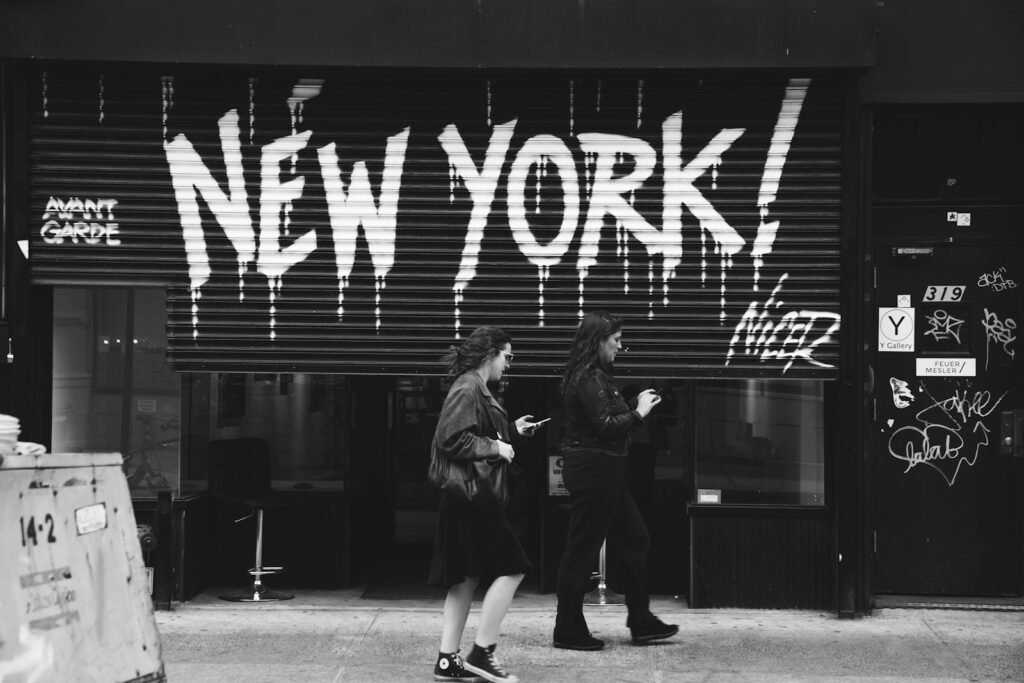
The best design weekend in New York runs downtown on Saturday and uptown on Sunday: SoHo and Tribeca for showrooms and collectible design galleries while their doors are open, then the Met period rooms and Cooper Hewitt once the galleries go dark. The order is not a preference. It is the schedule talking. Most design galleries below Canal Street close on Sunday, and the museums uptown stay open straight through the weekend.
This itinerary covers two full days on foot and the 6 train. Saturday stitches together a cafe inside a working design store, the most influential museum shop in the country, Donald Judd’s cast iron house, a furniture showroom with a cult following, and a Tribeca gallery that helped invent the collectible design market. Sunday slows down: twenty period rooms at the Met, then the Carnegie Mansion. Rough timing sits next to each stop, and every address was checked against current 2026 hours.
Key takeaways
- Saturday goes downtown: Roman and Williams Guild at opening, the MoMA Design Store, a booked Judd Foundation visit, BDDW after noon, then Tribeca galleries.
- Sunday goes uptown: the Met period rooms at 10 am, Cooper Hewitt after lunch, pay what you wish from 5 to 6 pm.
- Book the Judd Foundation guided visit before you arrive. It runs about 75 minutes and costs $32.50.
- Most collectible design galleries close Sunday and Monday. Museums carry the second day.
- The whole route works on the 6 train plus short walks. No car needed.
- The Ford Foundation atrium is weekday only. Save it for a Monday departure.
Saturday
Saturday is downtown day. Start in SoHo at 9 am and you will reach Tribeca by mid afternoon without rushing. For more depth on the neighborhood’s stores, see our SoHo interior design guide.
Morning: Howard Street to Spring Street
Begin at La Mercerie, the cafe inside Roman and Williams Guild at 53 Howard Street. Robin Standefer and Stephen Alesch, the designers behind some of the city’s most photographed restaurant interiors, sell their own furniture, lighting, and tableware here, and the cafe serves its crepes on plates you can buy off the shelf. Order coffee, then walk the floor. The point is to watch a design store run by working designers, where every object has to earn its placement.
Walk seven minutes north to the MoMA Design Store at 81 Spring Street, open from 10 am on Saturdays. The SoHo branch reopened after a renovation with a sharper curatorial program, and it remains the fastest read on what the museum’s curators consider good design right now, from Alvar Aalto glassware to current studio production. Budget 30 minutes.
Book ahead for the 11 am guided visit at the Judd Foundation, 101 Spring Street, two blocks east. Donald Judd bought the 1870 cast iron building in 1968 and arranged it floor by floor as permanently installed space, with works by Dan Flavin and Frank Stella sitting exactly where he placed them. Visits run about 75 minutes, cost $32.50, and admit visitors 12 and over. This is the single best interior in SoHo, and the one stop on the route you cannot improvise.
Afternoon: Crosby Street, then across Canal
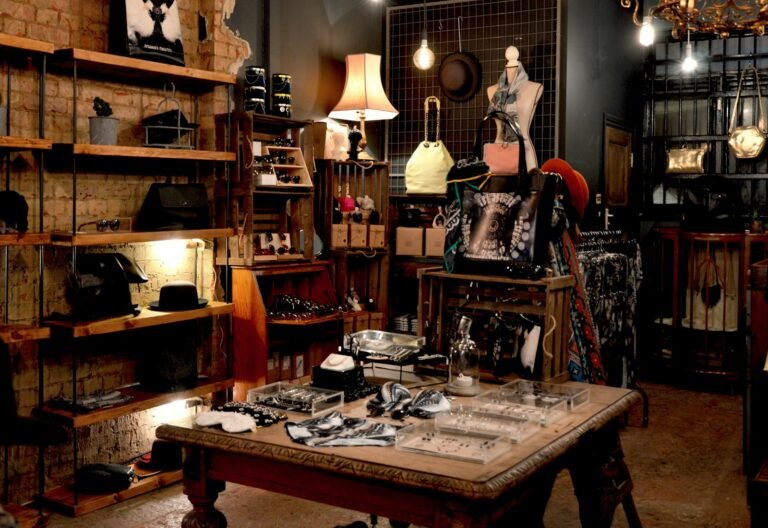
After lunch, stop at BDDW, 5 Crosby Street, which opens at noon on Saturdays and closes Sundays. Tyler Hays builds his slab tables, bronze-detailed beds, and ceramic-handled credenzas in an American workshop, and the showroom presents them like a private club without the rope. It anchors any serious survey of furniture stores in New York.
Then walk ten minutes south into Tribeca. R & Company at 64 White Street is the afternoon’s main event: 7,500 square feet across two levels, with an archive library upstairs and museum-grade exhibitions of historical and contemporary collectible design below. Zesty Meyers and Evan Snyderman built the gallery’s reputation on Wendell Castle, Greta Magnusson Grossman, and the Haas Brothers, and the shows are installed with more care than most museum wings. Confirm hours on the gallery’s site before you go. Tribeca galleries generally keep Tuesday to Saturday schedules.
If energy holds, the surrounding blocks reward a slow loop. White, Franklin, and Walker Streets hold a dense cluster of art and design galleries inside cast iron lofts, covered in our Tribeca interior design guide.
Evening: dinner in a room that has earned it
End the day at The Odeon, 145 West Broadway, the neo deco brasserie that has held its corner since 1980 with the neon sign, terrazzo, and globe lights intact. It is a working argument that restaurant design ages well when nobody fusses with it. For other dining rooms worth the reservation, see our survey of New York restaurant interiors.
Sunday
Sunday trades commerce for collections. Take the 6 to 86th Street and be at the Met when the doors open at 10 am.
Morning: the Met’s period rooms
The American Wing holds twenty period rooms covering three hundred years of domestic interiors, from seventeenth century Massachusetts to the Prairie School. Go straight to Gallery 745, the living room from Frank Lloyd Wright’s Francis W. Little House, designed between 1912 and 1914 for a site in Wayzata, Minnesota, later dismantled piece by piece and reconstructed at the museum, where it was unveiled in 1982. The horizontal banding, the art glass, the oak: it is a complete Wright interior you can stand inside without flying to the Midwest.
Give the rest of the wing an hour. The Gilded Age parlors and the Shaker Retiring Room cover the extremes of American taste in a single corridor. The Met opens at 10 am on Sundays and closes at 5 pm. Note for planners: the museum closes on Wednesdays, not Mondays.
Afternoon: Museum Mile to Cooper Hewitt
Walk north on Fifth Avenue past the Guggenheim, Wright again, this time at full building scale, and continue to Cooper Hewitt, Smithsonian Design Museum at 2 East 91st Street. It is the only museum in the United States devoted exclusively to historic and contemporary design, installed inside Andrew Carnegie’s 1902 mansion. The museum opens daily from 10 am to 6 pm, and admission is pay what you wish from 5 to 6 pm.
Plan on two hours. The Immersion Room lets you project wallcoverings from the collection at full scale, and the upper floors mix Carnegie’s original interiors with rotating exhibitions, a useful collision of 1902 and now.
Evening: the Saarinen send-off, optional
If your weekend ends with a flight, route through Eero Saarinen’s 1962 TWA Flight Center at JFK, now the lobby of the TWA Hotel beside Terminal 5. The wing-shaped concrete shell, the sunken lounge, and the chili pepper red carpet have been restored, and the building is open to the public, not just hotel guests. Even without a boarding pass, it is reachable by AirTrain and worth an hour for the Jet Age detailing alone.
Practical notes before you go
- Subway: the 6 covers most of the route. Spring Street for SoHo, Canal Street for the walk into Tribeca, 86th Street for the Met and Cooper Hewitt. The 1 to Franklin Street lands closer to White Street. For the TWA Hotel, take the E or the LIRR to Jamaica, then the AirTrain to Terminal 5.
- Closed when: BDDW closes Sunday. R & Company and most Tribeca galleries go dark Sunday and Monday. Judd Foundation visits run Tuesday through Saturday. The Met closes Wednesdays. Cooper Hewitt opens every day.
- Book ahead: Judd Foundation visits sell out, so reserve before you arrive in the city. The TWA Hotel rooftop pool requires a reservation for most time slots.
- Monday bonus: the Ford Foundation atrium at 320 East 43rd Street, the 1967 Kevin Roche and John Dinkeloo building with a twelve story planted garden under glass, opens weekdays 8 am to 6 pm, free with photo ID. Pre-register on the foundation’s site by 5 pm the day before. If your trip stretches into Monday, it beats any hotel lobby in Midtown.
- More city routes live in our City Living section.
Frequently asked questions
Do I need to book anything in advance?
One hard reservation: the Judd Foundation guided visit at 101 Spring Street, which caps group size and sells out on Saturdays. Reserve on the foundation’s site as soon as your dates firm up. Everything else on the route is walk-in, though a Saturday dinner table at The Odeon is worth locking a few days out.
Can I flip the days and do museums Saturday, galleries Sunday?
No. The downtown half collapses on Sunday because BDDW, R & Company, and most Tribeca galleries close, and Judd Foundation visits do not run on Sundays. The museums work both days, so they take whichever day the galleries refuse. If your weekend falls on Sunday and Monday instead, run the museum day first and spend Monday at Cooper Hewitt and the Ford Foundation atrium.
Is the route actually walkable?
Each half day clusters tight. Every Saturday stop sits within a fifteen minute walk of the last, and Sunday is one straight line up Fifth Avenue from the Met to Cooper Hewitt, about twelve minutes. The only real transit legs are the single subway ride between downtown and uptown and the optional AirTrain to the TWA Hotel.