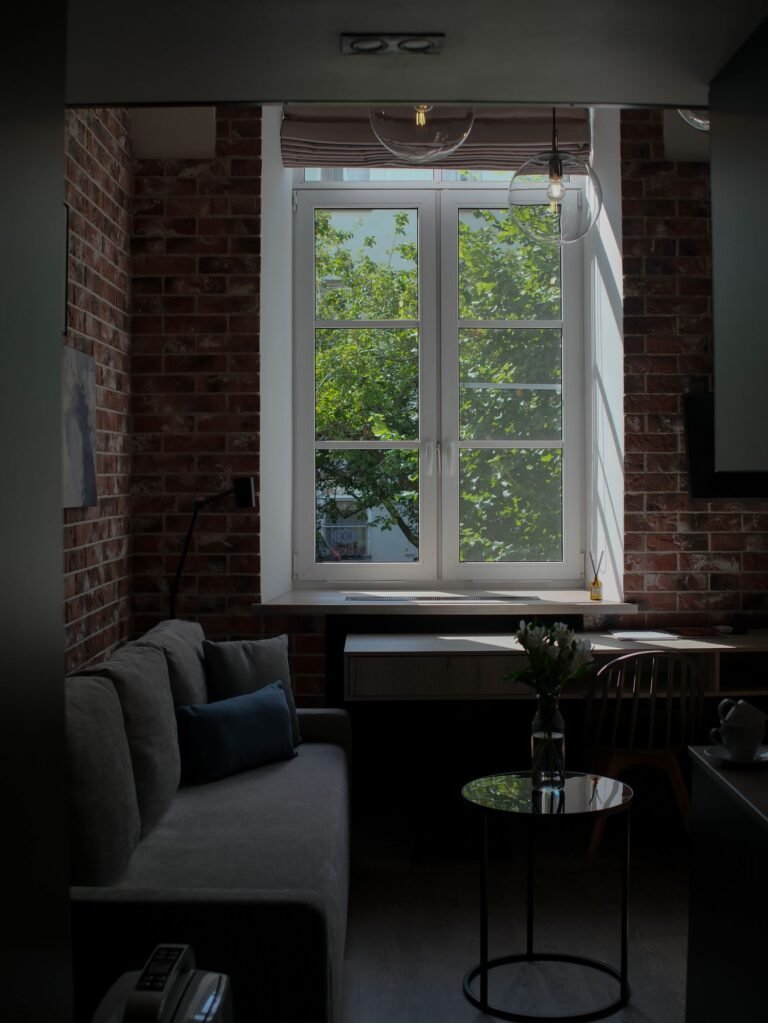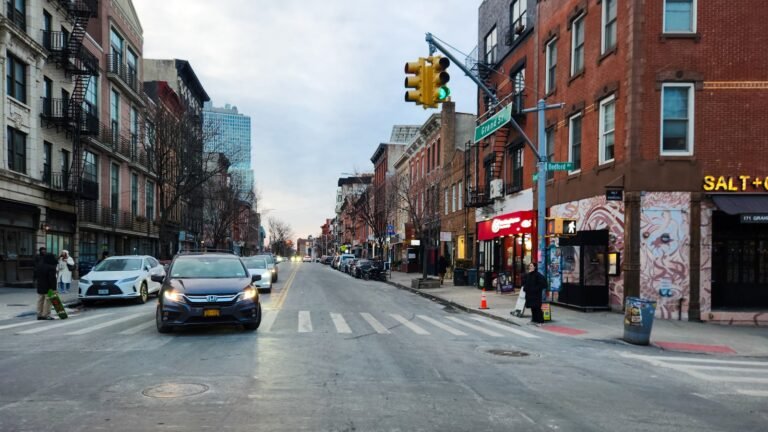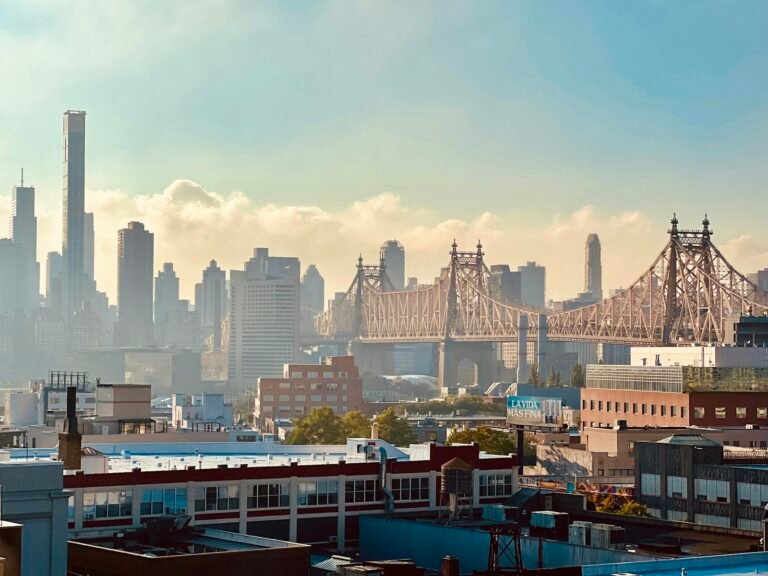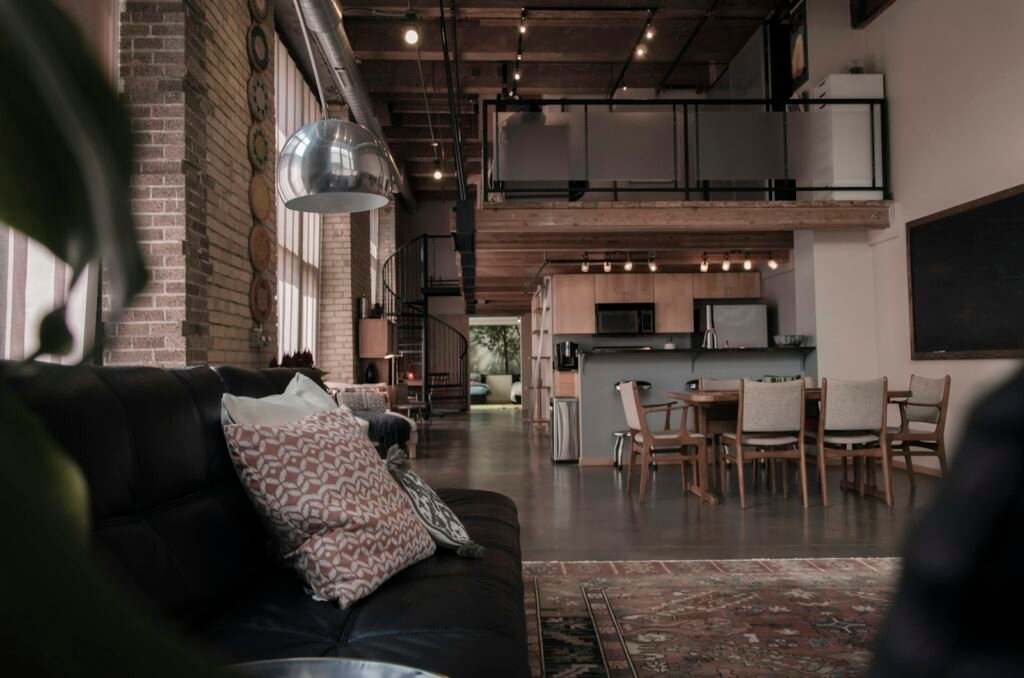
Tribeca interior design starts with the bones. The neighborhood below Canal Street was built for cargo and commerce, and its surviving cast-iron and brick warehouses set the rules every renovation still plays by: tall ceilings, deep floor plates, columns on a grid, and windows wide enough to flood a full block of loft with light. The defining move in Tribeca is restraint that respects the building, keeping the industrial structure visible while everything you add stays quiet enough to let it breathe. This is service journalism for anyone decorating, renovating, or simply trying to understand why a Tribeca loft looks the way it does.
Key takeaways
- Tribeca holds one of the largest collections of cast-iron architecture in New York, second only to SoHo, mostly built between the 1850s and 1880s.
- The signature interior look is warm minimalism over industrial bones: exposed steel, brick, and timber paired with calm, tactile, pared-back finishes.
- Authentic loft conversions in Tribeca’s historic buildings trade roughly between $2,000 and $3,500 per square foot.
- Five designated historic districts protect the warehouse and cast-iron facades, which shapes what you can and cannot change.
- The neighborhood is a genuine furniture-shopping destination, with showrooms like Egg Collective, Colony, and Property Furniture within walking distance of each other.
The architecture: cast iron, big windows, and a protected past
Tribeca, short for Triangle Below Canal Street, was a center of commerce and manufacturing in the mid-19th century. The warehouses that survive were designed largely between the 1850s and 1880s, when cast iron took over as a building material. Builders liked it because the prefabricated facade sections bolted into place quickly, the material was considered fireproof, and it cut costs by removing the need for stone carvers. The practical result, the part that matters for interiors, is that cast iron carried the load at the edges so the windows could grow large and the interiors could stay open.
That is why a true Tribeca loft tends to share a few traits: ceilings well above the residential norm, structural columns marching down the floor, brick or iron at the perimeter, and natural light pulled deep into the plan. The neighborhood’s five historic districts protect these facades from alteration, so renovation work happens behind a face that is essentially locked. For a sense of how dramatically these shells can be reworked, see our renovation guides on bringing protected buildings up to modern standards.
Typical lofts and the prevailing style
The classic Tribeca home is a converted floor or two of a former textile mill, dairy distribution warehouse, or sugar warehouse, now a single residence. The work of converting these spaces is consistent across the best projects: celebrate the original elements, the steel beams and brick walls, then introduce refined materials so the room reads as a considered home rather than a raw shell. Maximizing daylight and connecting the interior to the street view drive most of the planning decisions.
The prevailing interior style for 2026 is warm minimalism, which fits Tribeca almost perfectly. Designers describe it as minimalism that keeps the calm and the restraint but loses the austerity, layering in warm color, texture, and natural materials so a space feels pared back yet inviting. The most cited Tribeca reference point is the Greenwich Hotel penthouse by Axel Vervoordt and architect Tatsuro Miki, a 6,800-square-foot suite that fuses the neighborhood’s industrial past with the Japanese wabi philosophy: beauty in imperfection, reclaimed materials, stone, steel, and weathered wood. You see the same instinct in smaller homes across the district. For more on how this looks at residential scale, browse our home tours and the broader design scene.

Design and home stores worth knowing
Tribeca is one of the few Manhattan neighborhoods where you can shop serious furniture on foot. These showrooms are currently operating and worth a deliberate visit.
| Showroom | What it is | Why it fits Tribeca |
|---|---|---|
| Egg Collective | Studio-made furniture in a ground-floor gallery on Hudson Street | Sculptural forms in natural materials, set in a history-laden storefront |
| Colony | Cooperative showroom of independent American designers, founded by Jean Lin | Furniture, lighting, textiles, and objects from independent studios |
| Property Furniture | Curated high-end furniture for residential and hospitality projects | Editing-driven selection that suits restrained loft interiors |
| Quarters | Concept store on the second floor of a 19th-century loft, home of In Common With lighting | Styled like a multi-room residence with vintage and contemporary pieces |
| 180 The Store | Rotating presentation in a former dairy distribution warehouse | The space itself is a Tribeca conversion, from glassware to leather goods |
Kathy Kuo Home keeps a design showroom at 161 Hudson Street, a few doors from Egg Collective at 151 Hudson, which means you can compare studio-made and curated collections in a single short walk. Treat the warehouse settings as part of the research: the way these stores use their own cast-iron and timber shells is a free lesson in what your space can become.
Practical decorating notes
- Let the structure lead. Clean and seal exposed brick, steel, and columns before you choose a single piece of furniture, because those surfaces set the palette.
- Warm the minimalism. Counter the hard shell with wool, linen, leather, and timber so the room reads as lived-in rather than cold.
- Plan for the windows. Oversized industrial glazing is the asset. Keep window treatments simple and float furniture so nothing blocks the light path.
- Zone the open plan. Use rugs, lighting, and low furniture to define living, dining, and sleeping areas rather than building walls that fight the loft’s openness.
- Respect the landmark rules. Facade changes in the historic districts face review, so concentrate design budget on interiors, lighting, and millwork.
- Buy local where you can. The neighborhood’s showrooms specialize in the sculptural, natural-material pieces that hold up against industrial backdrops.
For more on adapting these ideas to apartment-scale Manhattan homes, see our coverage of city living and the wider neighborhoods series.

Frequently asked questions
What defines a Tribeca loft interior?
A Tribeca loft interior is built around the original industrial structure: high ceilings, exposed brick or cast iron, structural columns, and large warehouse windows. The prevailing style keeps that structure visible and layers warm, restrained, natural-material finishes on top, an approach often called warm minimalism.
How much does a Tribeca loft cost per square foot?
Authentic loft conversions in Tribeca’s historic buildings generally trade between roughly $2,000 and $3,500 per square foot, with boutique conversions and penthouses commanding the top of that range. Figures move with the market, so treat them as a current reference rather than a fixed rule.
Where can you shop for furniture in Tribeca?
Tribeca has a cluster of design showrooms within walking distance, including Egg Collective and Kathy Kuo Home on Hudson Street, plus Colony, Property Furniture, Quarters, and 180 The Store nearby. Many occupy converted warehouse spaces, so the buildings themselves double as design references.
Is Tribeca a historic district?
Yes, five of them. Five designated historic districts protect Tribeca’s warehouse and cast-iron facades, which shapes what you can and cannot change. The neighborhood holds one of the largest collections of cast-iron architecture in New York, second only to SoHo, mostly built between the 1850s and 1880s.