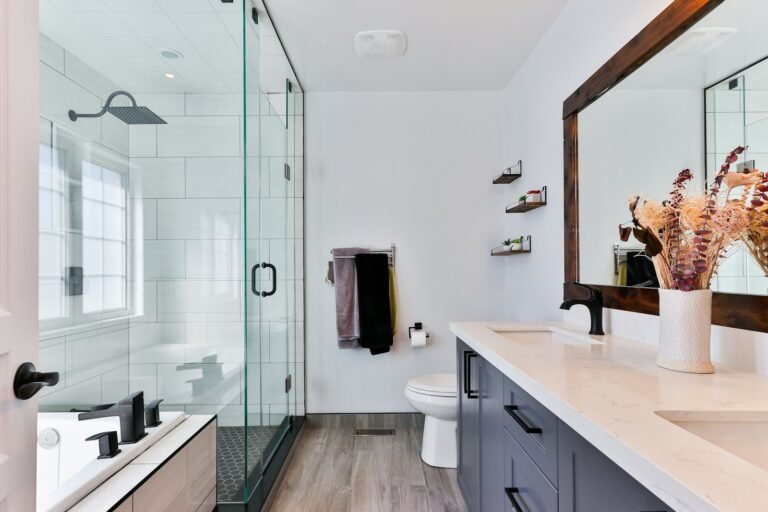
A full bathroom renovation in New York City costs roughly $20,000 to $35,000 for a budget refresh, $38,000 to $65,000 for a standard gut, and $65,000 to $120,000 or more at the high end, with luxury primary baths running past $240,000. On a per-square-foot basis, most projects land between $550 and $700 for mid-grade work and climb toward $1,000 for luxury finishes. Manhattan typically runs 15 to 25 percent higher than the outer boroughs.
Key takeaways
- Budget refresh: $20k to $35k. Same layout, new finishes.
- Standard gut: $38k to $65k. Down to the studs, new everything.
- High-end: $65k to $120k. Premium tile, custom vanity, better fixtures.
- Luxury primary: $120k to $240k+. Stone, steam, heated floors, layout changes.
- Manhattan adds 15 to 25 percent over the outer boroughs and suburbs.
- Labor is the biggest line. It runs 40 to 60 percent of the total in NYC.
- Pre-war buildings hide costs. Carry a 15 to 20 percent contingency.
What a NYC bathroom renovation costs in 2026, by tier
| Tier | Typical total | Per square foot | What you get |
|---|---|---|---|
| Budget refresh | $20k to $35k | ~$600 | New tile, fixtures, vanity. Layout unchanged. |
| Standard gut | $38k to $65k | $550 to $700 | Stripped to the studs, new plumbing and finishes. |
| High-end | $65k to $120k | ~$700 | Premium materials, custom millwork, upgraded fixtures. |
| Luxury primary | $120k to $240k+ | $700 to $1,000 | Stone slab, steam, heated floors, reconfigured layout. |
For a typical 35-square-foot NYC bathroom, a budget remodel starts around $21,000 and mid-grade work around $24,500, before the Manhattan premium and any layout changes.
Where the money actually goes
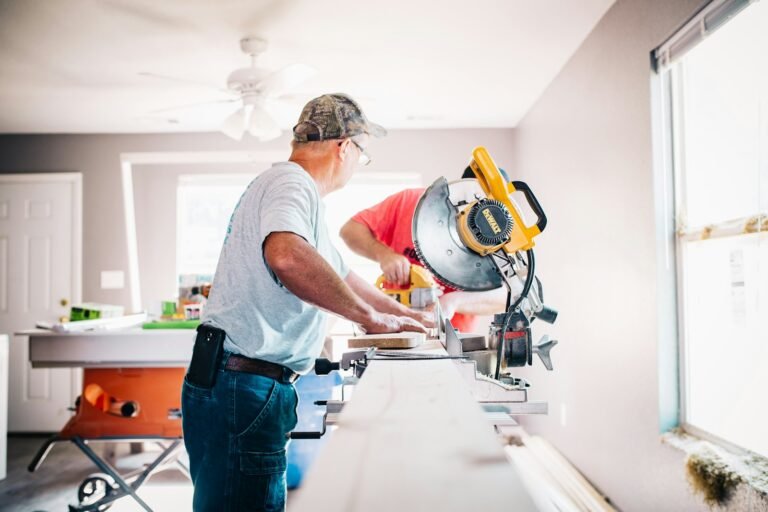
Most people picture a renovation budget as a pile of tile and a new tub. The bigger truth is that labor, not materials, is the largest line on almost every NYC job. Industry cost data for 2026 puts labor at 40 to 60 percent of the total, with materials and fixtures taking another 30 to 40 percent and permits, design, and contingency splitting the rest. Plumbers and electricians have pushed their rates up roughly 20 to 25 percent over 2025, which is part of why NYC numbers keep drifting higher.
| Line item | Share of budget | What it covers |
|---|---|---|
| Labor | 40% to 60% | Demo, plumbing, electrical, tiling, carpentry, project management. |
| Materials and fixtures | 30% to 40% | Tile, vanity, toilet, tub or shower, faucets, lighting, mirror. |
| Permits and filings | 5% to 10% | DOB filing, licensed plumber and electrician permits, expeditor. |
| Design and planning | 5% to 10% | Architect or designer, drawings, board-required stamps. |
| Contingency | 10% to 20% | Surprises behind the walls. Higher in pre-war buildings. |
Read that table before you fall in love with a $40 marble. On a $45,000 gut, the tile and fixtures you obsess over are maybe $15,000 of the spend. The crew swinging the hammers is the rest. That is also why cutting scope, not cutting finish quality, is the better lever when a bid comes back high. Fewer plumbing relocations save labor hours, and labor hours are the expensive part.
What actually drives the price
Moving plumbing and walls
Keeping the layout is the single biggest way to control cost. The moment you move the toilet, shower, or sink, you are into new supply and waste lines, which means more labor, more time, and often a licensed plumber filing with the building.
Finishes and materials
Tile and stone are where budgets swing hardest. A porcelain field tile and a stock vanity sit at one end; a slab stone wall, custom cabinetry, and designer fixtures sit at the other. Lighting and mirrors are a smaller line that reads as a big upgrade, which is why they are worth getting right.
Building rules and logistics
This is the New York tax. Co-op and condo boards set work hours, require insurance and approvals, and often mandate licensed, filed contractors. Walk-ups without a service elevator add labor for hauling debris and materials. None of this shows up in a suburban quote, and all of it is real here.

Cost by where you live in NYC
The same bathroom does not cost the same in every borough. Manhattan sits at the top, and the gap is measurable. A standard gut that runs 15 to 25 percent above the outer-borough number in Manhattan is not a figure of speech. Translated to per-square-foot pricing, Manhattan cosmetic work lands around $400 to $600, a standard gut around $600 to $900, and luxury work past $1,000 a foot.
| Where | Relative cost | Why |
|---|---|---|
| Manhattan | Highest. 15% to 25% premium. | Labor rates, strict boards, hard building access, tight logistics. |
| Brooklyn | Below Manhattan, still a premium. | Old housing stock, quirky layouts, in-demand contractors. |
| Queens | Most affordable of the three. | Lower labor and access costs, fewer doorman-building constraints. |
The driver is not the neighborhood name. It is access and rules. A fourth-floor walk-up in any borough costs more in labor than a unit with a service elevator, because every bag of debris and every box of tile goes down the stairs by hand. A doorman building with a strict alteration agreement costs more in approvals and insurance than a small condo with light oversight. Geography is a proxy for those two things.
Co-op versus condo: the approval cost
In a co-op, the board reviews and approves your renovation, and an alteration agreement governs the work. That process adds weeks and sometimes requires architect-stamped plans. Condos are usually lighter touch but still have rules. Budget for the time as much as the money: board approval can add one to three months before a contractor lifts a tool.
Hidden costs that blow budgets
The quoted number is rarely the final number in New York, and the gap usually opens once demolition starts. These are the line items that surprise people, and most of them are specific to old buildings and board-run buildings.
- Asbestos testing and abatement. NYC requires an ACP-5 filing before many DOB permits. Testing alone runs about $1,500 to $4,000. If abatement is needed, plan on $10,000 to $20,000, and more if risers or branch lines have to come out.
- Old plumbing risers. Pre-war stacks dictate what walls you can open. If a deteriorated riser has to be replaced, the cost climbs fast, and the board may control the timing of any shared-line work.
- Board and filing fees. Permits, architectural filings, and expeditor fees stack up. Plumbing permits can hit $5,000, and a co-op alteration security deposit often runs $5,000 to $15,000 on top.
- Certificate of insurance and protection. Most boards require a COI naming the building, plus protective padding for hallways and elevators and after-hours work charges.
- Walk-up surcharges. No service elevator means hand-hauling debris and materials, which adds labor hours to every phase of the job.
This is why seasoned NYC renovators carry a 15 to 20 percent contingency on pre-war work, not the 10 percent you might use elsewhere. The walls hide outdated wiring, failed waterproofing, and corroded pipe more often than not. The contingency is not padding. It is the part of the budget that meets reality.

Is it worth it: resale and ROI
A bathroom remodel is one of the better returns in home improvement, but the math rewards restraint. The 2025 national Cost vs. Value data shows a mid-range bathroom remodel recovering about 80 percent of its cost at resale, with an average spend near $26,000 returning roughly $20,900. An upscale remodel recovers far less, closer to 36 to 42 percent, because the spend climbs past what most buyers will pay back.
The takeaway for NYC owners is simple. If resale is the goal, a clean mid-grade renovation beats a luxury one on pure return every time. If you are staying for years, spend where you stand every day and stop comparing it to a resale spreadsheet. Either way, a dated bathroom is the room that most reliably stalls a sale, so doing nothing has a cost too.
Paying for it
Most owners fund a renovation with cash, a home equity line, or a personal loan. A HELOC tends to carry the lowest rate and near-zero closing costs, which suits a phased or open-ended budget. A fixed home equity loan gives a predictable payment on a large lump sum and fits a full gut. Personal loans close fastest and need no equity, but rates in 2026 ran higher, roughly 6.5 to over 24 percent depending on credit. Match the tool to the job: small cosmetic work on a personal loan, a six-figure gut on secured equity.
How to keep the number down
- Keep the existing layout if the plumbing allows it.
- Spend on the things you touch daily (fixtures, lighting, the vanity) and save on the things you do not.
- Get three filed, insured bids, not one.
- Order materials before demolition so the job does not stall mid-project.
- Test for asbestos early so an ACP-5 surprise does not freeze your permit.
A bathroom is one room in a larger picture. If you are weighing a whole-home project, our guide to apartment renovation costs in NYC covers how the bathroom number fits the total, and the kitchen renovation cost guide breaks down the other big-ticket room. For more on planning and permits, browse our renovation guides.
Related reading
- Small NYC Bathroom Renovation: Solving the 35-Square-Foot Problem
- Where to Buy Lighting in NYC: Showrooms and Sources for Every Budget
- How to Vet Home Renovation Contractors in NYC Before You Sign
Frequently asked questions
How much does a small bathroom renovation cost in NYC?
A small (around 35 square foot) NYC bathroom starts near $21,000 for a budget refresh and $24,500 for mid-grade work, rising with finish level and the Manhattan premium.
Why is renovating in Manhattan more expensive?
Manhattan runs 15 to 25 percent above the outer boroughs because of labor rates, building access, board requirements, and tighter logistics for delivery and debris removal.
How long does a NYC bathroom renovation take?
Plan on four to eight weeks of construction for a standard gut, plus one to three months upfront for co-op or condo board approval before work begins.
What share of the cost is labor?
Labor is the largest line on most NYC jobs, at 40 to 60 percent of the total. Materials and fixtures take 30 to 40 percent, and permits, design, and contingency split the rest.
Does a bathroom remodel pay for itself?
A mid-range remodel recovers about 80 percent of its cost at resale, per 2025 Cost vs. Value data. Upscale remodels recover far less, closer to 36 to 42 percent, so restraint pays.
Sources
Figures in this guide draw on 2026 NYC renovation cost data from MyHome, Sweeten, Fixr, Gallery KBNY, Angi, This Old House, and Corniel Construction. Costs are estimates and move with materials, building rules, and site conditions. Last updated June 2026.