The short answer: the best ChatGPT prompts for interior design and renovation planning in New York do three things: they load the constraints up front, they force the bot to ask questions before answering, and they end with a verification step against official sources. ChatGPT prompts interior design forums pass around tend to fail on the first point. A generic “plan my bathroom reno” prompt gets you a generic answer; a prompt that mentions your co-op’s alteration agreement, your building’s wet-over-dry rule, and the NYC Department of Buildings gets you a working document. ELLE Decor’s April 2025 test of AI design tools found ChatGPT the strongest performer in the category, “something closer to an actual design consultation.” Here is the prompt library that makes that consultation worth having, built for New York apartments specifically.
Key takeaways
- State constraints before asking for output: building type, ownership status, budget, and what cannot move. Business of Home reports that phrases like “keep the stove and sink where they are” and a stated budget measurably improve results.
- Use ChatGPT to prepare for the process, not to replace it. Permits come from the NYC Department of Buildings, approvals come from your board, and licenses are verified through NYC’s DCWP, not a chatbot.
- The strongest prompt pattern for renovation work: “Ask me questions first, then produce the deliverable.”
- Every citation, cost, and code claim ChatGPT makes should be checked against nyc.gov or your building’s own documents. Chatbots hallucinate, and renovation is an expensive place to find that out.
Set up the conversation before you prompt
Start every renovation thread with a context block you paste once. Something like:
You are helping me plan a renovation of a [co-op / condo / rental] apartment in New York City, built around [year], in [neighborhood]. My total budget is [$X]. Non-negotiable constraints: [list: wet areas cannot expand, no gas work, building allows work 9-5 weekdays only, etc.]. Before answering any question, ask me for any missing information you need. Flag anything that likely requires a Department of Buildings permit or board approval, and label those items "verify with DOB / verify with managing agent."
This one paragraph fixes the most common failure mode. Business of Home’s testing of chatbots as design tools found that stating budget and fixed elements up front is what separates useful answers from filler. It also builds in the discipline the process actually requires: in New York, plumbing, electrical, and structural changes generally require DOB permits and licensed tradespeople, while cosmetic work such as painting, flooring, and swapping cabinets in place generally does not, per the Department of Buildings’ own guidance. Making ChatGPT label the difference keeps you honest.
Prompts for scoping a bathroom renovation
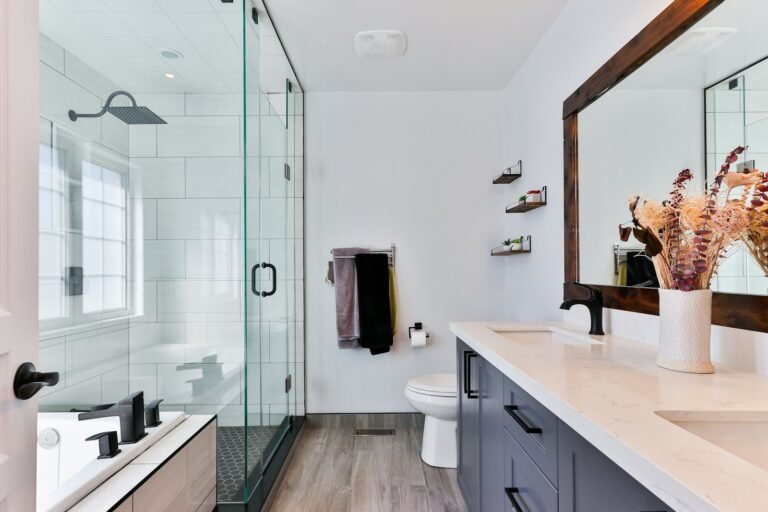
A bathroom is the highest-stakes small room in the city, and the scope conversation is where money is won or lost. Read our breakdown of what a full bathroom renovation actually costs in New York first, then use prompts like these:
Build a scope-of-work document for a full renovation of a 5x8 bathroom in my apartment (context above). Keep all fixtures in their current locations. Organize it by trade: demolition, plumbing, electrical, waterproofing, tile, fixtures, ventilation, painting. For each line, note whether it typically requires a permit in NYC and whether a Licensed Master Plumber or licensed electrician is required. Mark every assumption you make.
Now produce two alternative scopes: a "keep the plumbing where it is" version and a "relocate the sink 24 inches" version. List every cost category that changes in the second version and why.
The second prompt teaches you the most important lesson in NYC renovation without spending a dollar: moving plumbing changes the permit picture, the trades involved, and the timeline. Ask ChatGPT to explain the differences, then verify the permit questions on the DOB’s “Do I Need a Permit?” page at nyc.gov rather than taking the bot’s word for it.

Prompts for the co-op board package
Co-op and condo renovations run through an alteration agreement, the contract between you and the building that Brick Underground describes as covering approval requirements, contractor insurance and licensing minimums, fees, security deposits, work-hour rules, and DOB filing obligations. Brick Underground’s renovation guides put typical board approval at one to two months, so this paperwork is on the critical path. Use ChatGPT as a reader and a checklist builder:
I am pasting my building's alteration agreement. Summarize it as a table: my obligations, my contractor's obligations, deadlines, fees and deposits, penalty clauses, and insurance requirements with dollar minimums. Then list the ten questions I should ask the managing agent before submitting my package.
Draft a cover letter to my co-op board describing the proposed work (scope above), the expected timeline, and the professionals involved. Formal, plain, one page. Do not overpromise on schedule.
Note what these prompts do not do: they do not ask ChatGPT what your building allows. Nobody knows that but your building. The bot’s job is to make the documents legible and your questions sharper. For the wider process, timeline, and cost picture, our guide to renovating a New York apartment walks through approvals end to end.
Prompts for vetting a contractor
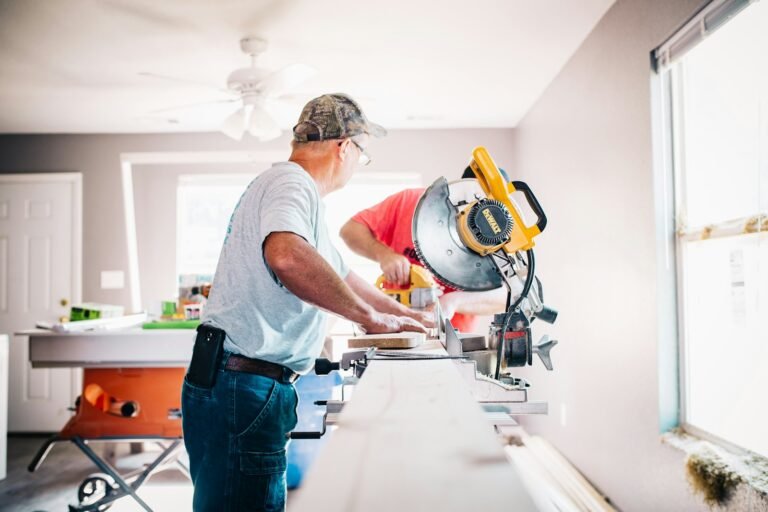
New York City requires a Department of Consumer and Worker Protection (DCWP) home improvement contractor license for most residential work over $200, and DCWP maintains both a public license lookup and a “Wall of Shame” of unlicensed operators. ChatGPT cannot check a license for you, but it can arm you for the interview:
Generate 15 interview questions for a general contractor bidding on the bathroom scope above, grouped into: licensing and insurance (including DCWP home improvement contractor license and DOB registration), references and past NYC apartment work, scheduling and building rules, payment terms, and change orders. After the questions, list the red-flag answers I should watch for in each group.
Here are three bids (pasted below). Build a comparison table by scope line. Flag every item that appears in one bid but not the others, every allowance, and every exclusion. What questions does this comparison raise?
Then do the two checks that matter offline: the DCWP license lookup at nyc.gov, and certificate-of-insurance documents naming you and the building, which most alteration agreements require anyway.

ChatGPT prompts interior design budgets can survive
Budget prompts fail when they ask the bot to guess prices. New York costs are local and current; a model’s training data is neither. The fix is to bring your own numbers and make ChatGPT do structure, not pricing. Pull ranges from our NYC kitchen renovation cost guide or your own bids, then prompt:
Using these cost ranges I am providing (pasted below), build a budget worksheet for the project: line items by trade, a contingency line I can set as a percentage, soft costs (architect or engineer, filing fees, board fees, insurance riders, expediter), and a payment schedule tied to milestones rather than dates. Show a best case and a worst case column.
This is the honest division of labor in every one of these chatgpt prompts: interior design judgment and structure from the model, verified numbers from documents and official sources.
| Task | Prompt pattern | Verify against |
|---|---|---|
| Bathroom scope | Scope by trade, permits flagged, assumptions marked | DOB “Do I Need a Permit?” (nyc.gov) |
| Board package | Summarize alteration agreement, draft cover letter | Managing agent, your building’s documents |
| Contractor vetting | Interview questions, bid comparison table | DCWP license lookup (nyc.gov) |
| Budget | Worksheet from your numbers, contingency, soft costs | Actual bids and cost guides |
Related reading
- How New York Designers Are Actually Using AI in 2026
- AI Room Design for Real NYC Apartments: What Works in 600 Square Feet
Frequently asked questions
Can ChatGPT tell me if my renovation needs a permit?
It can tell you what typically requires one: plumbing, electrical, and structural changes, per NYC Department of Buildings guidance. But “typically” is not a filing. Confirm on the DOB’s website or with the registered architect or engineer handling your job.
Are ChatGPT prompts for interior design useful for rentals too?
Yes, arguably more so. Renters get the most from constraint-loaded prompts: reversible upgrades, lease-safe changes, and letters to landlords requesting permission. The same context-block approach applies; the alteration agreement is just replaced by your lease.
Which AI model should I use for renovation planning?
ELLE Decor’s 2025 review rated ChatGPT the strongest of the AI design tools it surveyed, and Business of Home notes Gemini and Claude are capable of the same kind of work. The prompt structure matters more than the model. Whatever you use, assume errors and verify.
What is the best ChatGPT prompt for renovation planning?
The strongest pattern for renovation work is “Ask me questions first, then produce the deliverable.” State your constraints before asking for output: building type, ownership status, budget, and what cannot move.
Sources
- NYC Department of Buildings, “Do I Need a Permit?”
- NYC Department of Consumer and Worker Protection, license check for home improvement contractors
- NYC311, Home Improvement Contractor License Check
- Brick Underground, “What’s an alteration agreement?”
- Brick Underground, “Getting your renovation approved by your co-op or condo board”
- Fred Nicolaus, “The AI interior design race has a surprising front-runner,” Business of Home, August 6, 2025
- ELLE Decor, AI interior design tool survey, April 2025