Most apartment renovations in New York City cost $100 to $600 per square foot, and a full project in a co-op takes 9 to 12 months from first drawings to final walkthrough. For a 1,000 square foot apartment, that means roughly $100,000 for a cosmetic refresh and $250,000 to $600,000 for a full gut renovation at 2026 prices.
Those two numbers, the budget and the calendar, are decided less by your taste than by your building. A condo with a relaxed managing agent and a co-op with a monthly board meeting can take the same scope of work and produce timelines six months apart. This article is the hub of our renovation guides. It covers what an apartment renovation in NYC actually costs in 2026, how the co-op and condo approval processes differ, who files the permits, and how long each phase really takes.
Key takeaways
- Budget $100 to $200 per square foot for cosmetic work, $200 to $300 for a partial renovation, and $250 to $600 or more for a full gut, per Sweeten and 2026 contractor pricing.
- The co-op board is the slowest variable. Approval takes 4 to 8 weeks after a complete submission, and the alteration agreement sets insurance, deposits, and work hours.
- Condos move faster. The board checks that work will not damage common elements; aesthetic vetoes are rare.
- A registered architect or professional engineer files DOB permits for anything beyond cosmetic work. Licensed plumbers can file small jobs under a Limited Alteration Application.
- Plan on 3 to 5 months of design, board review, and permitting before demolition, then 5 to 7 months of construction for a gut project.
- Carry a 20 to 25 percent contingency. Change orders, not the original bid, are where most NYC budgets break.
Apartment renovation costs in NYC: the 2026 numbers
Sweeten’s NYC cost guide, updated October 2025, puts full-home renovations at $100 to $200 per square foot with stock materials, $200 to $300 with customization, and $300 and up once structural changes enter the picture. Contractor guides published for the 2026 market run higher for full gut work: $250 to $400 per square foot at the budget end, $550 to $650 for upper mid-tier projects, and $700 to $1,000 for luxury scopes in Manhattan.
| Tier | Total for 1,000 sq ft | Per square foot | Scope |
|---|---|---|---|
| Cosmetic refresh | $100,000 to $200,000 | $100 to $200 | Paint, flooring, hardware, lighting, stock fixtures. Walls and systems stay put. |
| Partial renovation | $200,000 to $300,000 | $200 to $300 | One or two wet rooms rebuilt, custom millwork, some electrical and plumbing rework. |
| Full gut renovation | $250,000 to $600,000+ | $250 to $600+ | Down to the studs: new plumbing, electrical, often HVAC, layout changes, all-new finishes. |
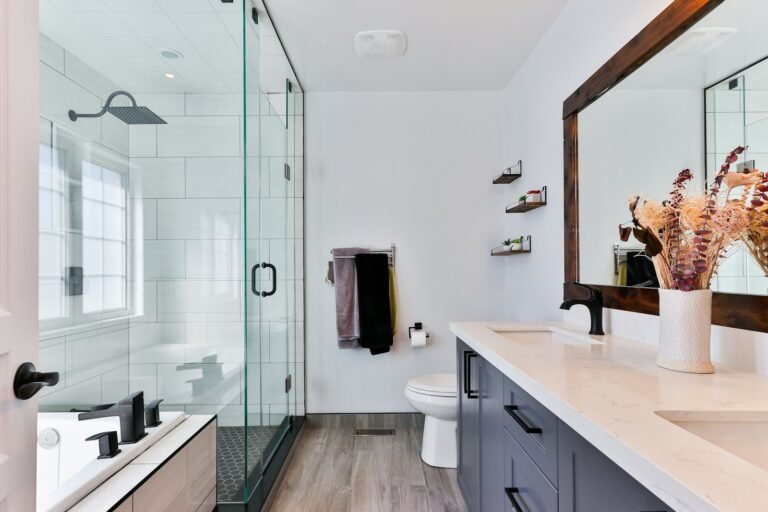
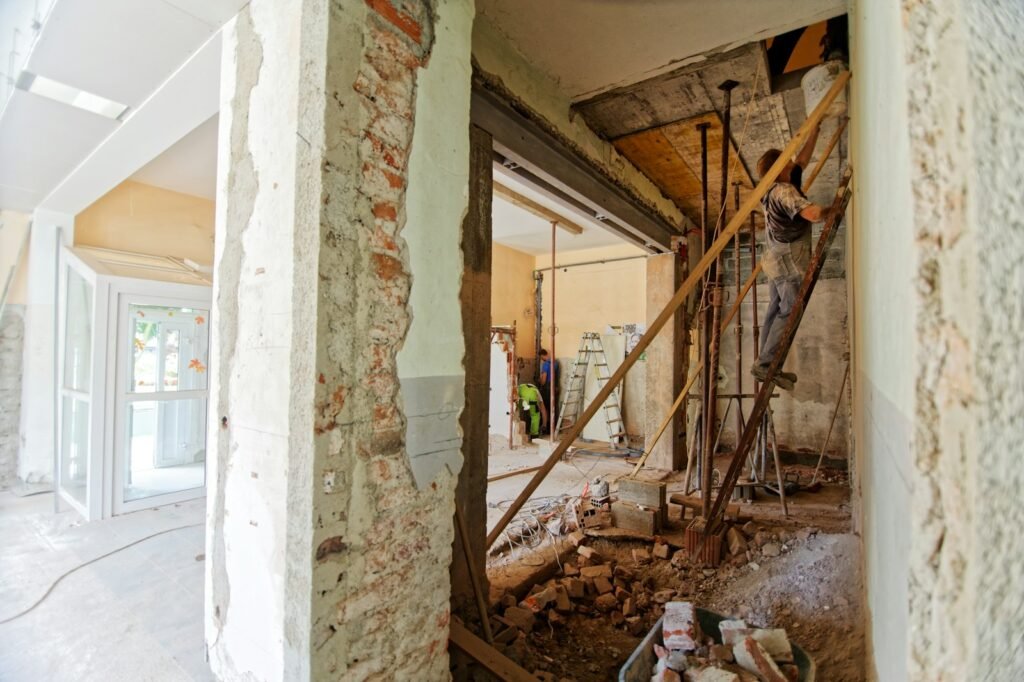
A gut renovation means the apartment goes down to the studs: new branch plumbing, new electrical, often new HVAC, and a rebuilt layout. That is why gut renovation cost in NYC diverges so sharply from cosmetic numbers. Wet rooms drive the spread. A full kitchen runs $65,000 to $100,000 and each bathroom $30,000 to $50,000 in 2026 contractor pricing, before upgrades. We break both down in our guides to kitchen renovation costs in NYC and bathroom renovation costs in NYC.
Co-op approval: the alteration agreement gauntlet
A co-op renovation in NYC starts with a document request, not a contractor. Ask the managing agent for the building’s alteration agreement and renovation rules before you finish design, because those rules can kill a layout. The alteration agreement is a contract between you and the building. Fontan Architecture describes it as the framework for the whole job: submission requirements, insurance thresholds, permitted work hours, protection of common areas, deposits, and penalties. A typical submission package includes stamped architectural drawings, the contractor’s license and references, certificates of liability and workers’ compensation insurance naming the building, and signed riders. Block Renovation’s approval guide notes application fees range from a few hundred dollars to over a thousand, plus a refundable damage deposit and the building architect’s review fee, which you pay.
The board’s architect or engineer reviews your plans and sends comments. You respond, sometimes through two or three rounds. Then the board votes, usually at a monthly meeting; miss the submission deadline by a day and you wait another month. Plan on 4 to 8 weeks for approval after a complete submission, and 2 to 4 months for the whole pre-construction stretch. Expect substantive rules too. The most common is wet over dry: boards will not let you move a kitchen or bathroom over a neighbor’s bedroom or living room.
Condos are easier. The board’s review is limited to protecting common elements and confirming code compliance, the alteration agreement is closer to a formality, and the managing agent usually turns approvals around in weeks rather than months. The insurance paperwork is just as strict, though. No certificates, no approval, in either building type.

Permits: who files, and for what
Paint, flooring, and cabinet swaps need no permit. Almost everything else does. Moving walls, relocating plumbing fixtures, upgrading an electrical panel, or touching gas lines requires a Department of Buildings filing, and per Brick Underground’s permitting guide the plans must come from a New York State registered architect or professional engineer. You are listed as the owner on the filing, but you cannot draw the plans yourself unless you hold the license.
Two exceptions and one helper. Minor plumbing jobs, such as replacing a fixture in place, can be filed by a licensed plumber under a Limited Alteration Application, no architect needed. Straight fixture-for-fixture swaps are often exempt entirely. And most project teams hire an expediter, formally a filing representative, to shepherd the application through DOB NOW; your architect or contractor usually brings one. If the building is landmarked, the Landmarks Preservation Commission reviews the project before DOB issues permits, which adds weeks to months. That covers a large share of the city’s rowhouse stock; if you are eyeing one, start with our primer on what a brownstone actually is.
The realistic timeline: 9 to 12 months for a gut
Corniel Construction’s 2026 Manhattan timeline guide puts a full gut renovation at 9 to 12 months from the start of planning to final walkthrough, with 3 to 5 months of that spent before anyone swings a hammer.
| Phase | Duration | What happens |
|---|---|---|
| Design and drawings | 4 to 8 weeks | Architect measures, drafts plans, you lock finishes and fixtures. |
| Board review | 4 to 8 weeks | Building architect comments, board votes at its monthly meeting. |
| DOB permits | 2 to 6 weeks | Architect or expediter files through DOB NOW; longer if landmarked. |
| Construction | 3 to 7 months | Demo 1 to 2 weeks, rough-in 4 to 6 weeks, finishes 6 to 8 weeks or more. |
| Punch list and sign-off | 2 to 4 weeks | Final inspections, corrections, letter of completion. |
Cosmetic projects that skip board review and permits can finish in 2 to 3 months. Two scheduling realities belong on every project plan. Custom cabinetry and stone can carry 16-week lead times, so order before demolition. And co-op work-hour rules, typically 9 a.m. to 5 p.m. on weekdays, stretch construction 30 to 40 percent past what the same scope takes in a condo.

How to keep the budget intact
- Get three itemized bids that separate labor, materials, permits, and insurance, then compare line by line. The lowest total often hides the thinnest scope.
- Keep kitchens and bathrooms where they are. Moving wet rooms triggers new plumbing runs, wet-over-dry review, and months of extra board scrutiny.
- Order long-lead items, meaning cabinetry, stone, and appliances, before demolition starts, not after.
- Substitute smart: porcelain for marble, engineered wood or luxury vinyl for solid hardwood. The look survives and the invoice shrinks.
- Schedule for fall or winter, when contractors have more open slots and price accordingly.
- Put every change order in writing with a price before the work happens.
- Hold a 20 to 25 percent contingency and resist spending it on upgrades in week two.
Frequently asked questions
How much does it cost to renovate a 1,000 square foot apartment in NYC?
Roughly $100,000 to $200,000 for a cosmetic renovation, $200,000 to $300,000 for a partial renovation covering one or two wet rooms, and $250,000 to $600,000 or more for a full gut at 2026 pricing. Luxury gut projects in Manhattan can reach $1,000 per square foot.
How long does co-op board approval take?
Four to eight weeks after a complete submission, and 2 to 4 months for the full pre-construction process including design and the building architect’s review, per Fontan Architecture. Boards typically vote at monthly meetings, so one missed deadline costs a month.
Do I need a permit to renovate my apartment?
Not for paint, flooring, or cabinet swaps. Any work that moves walls, plumbing, electrical, or gas requires a DOB filing prepared by a registered architect or professional engineer. A licensed plumber can file small plumbing jobs under a Limited Alteration Application without an architect.
How long does a NYC apartment renovation take?
Plan on 3 to 5 months of design, board review, and permitting before demolition, then 5 to 7 months of construction for a gut project. Carry a 20 to 25 percent contingency, because change orders, not the original bid, are where most NYC budgets break.
Sources
- Sweeten, Budget Guide to NYC Home Renovation Cost Per Square Foot (updated October 2025; accessed June 2026)
- Gallery Kitchen and Bath, What Does a Gut Renovation Cost in NYC? (accessed June 2026)
- Block Renovation, The Ultimate Guide to NYC Condo and Co-op Board Approval for Renovations (accessed June 2026)
- Fontan Architecture, Alteration Agreements in NYC Co-Op and Condo Renovations (accessed June 2026)
- Brick Underground, How to Get Your Renovation Approved by the NYC Department of Buildings (accessed June 2026)
- Corniel Construction, How Long Does a Manhattan Renovation Take? Full Timeline (2026) (accessed June 2026)