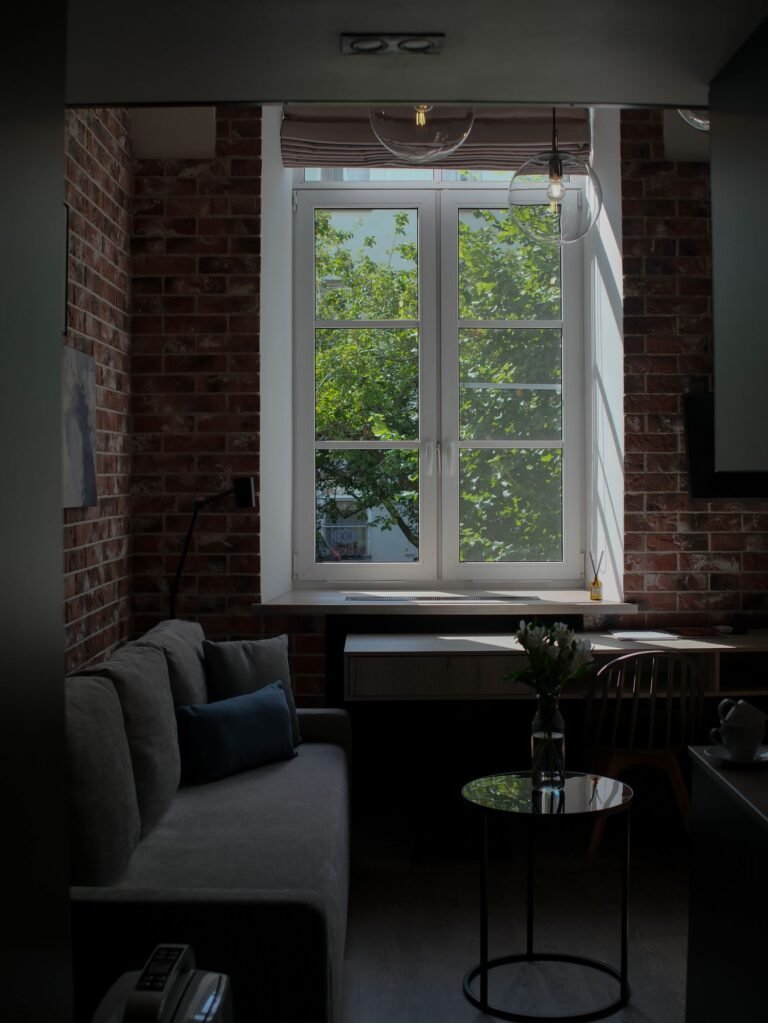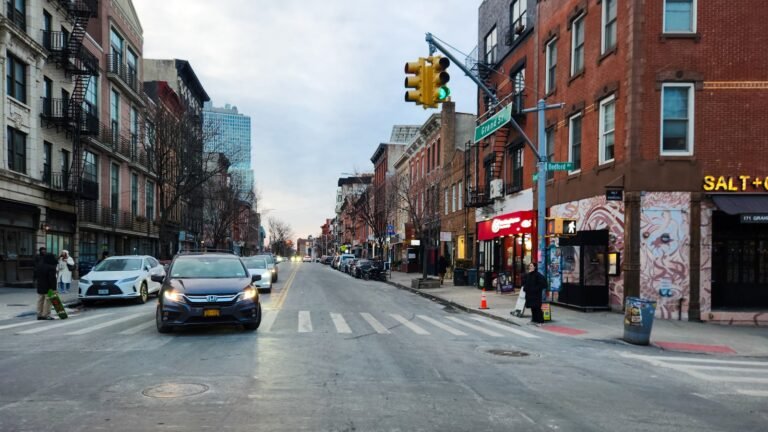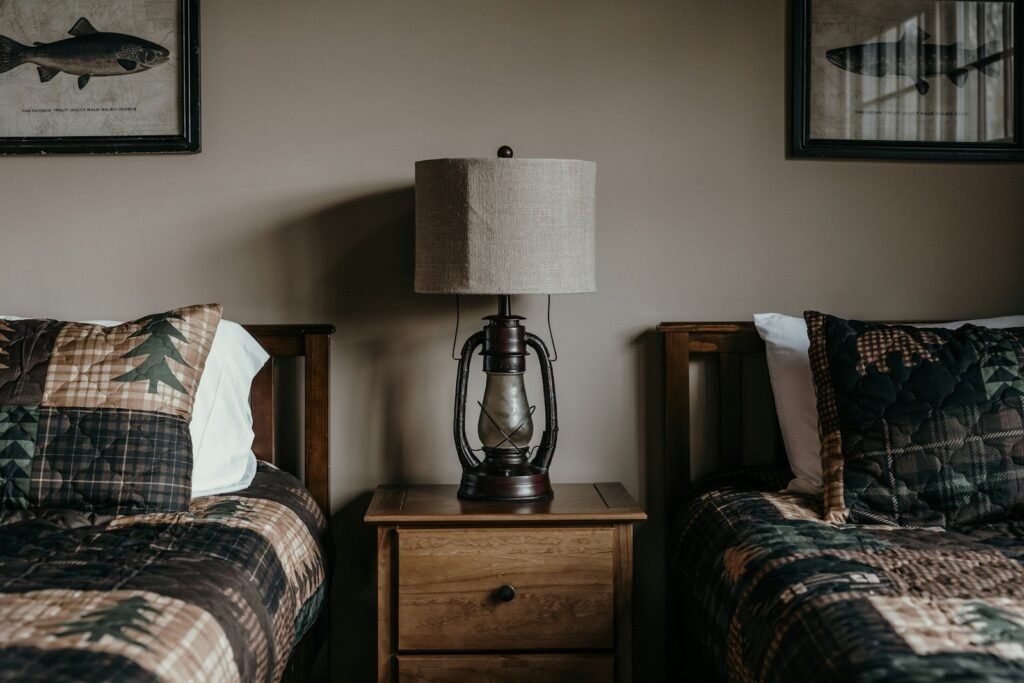
Upper West Side interior design works best when it respects the prewar bones of the apartment first and decorates second. The neighborhood’s defining homes are the classic sixes and sevens inside buildings by Emery Roth, Rosario Candela, and their peers, full of herringbone floors, plaster moldings, and nine-foot ceilings. The job is to keep that architecture legible while making the rooms livable for the families who actually use them.
Key takeaways
- Prewar architecture leads. Original moldings, parquet, and room proportions are the starting point, not an obstacle to design around.
- The classic six is the signature layout. Six principal rooms plus a foyer and a former maid’s room, built for separation between living, dining, and sleeping.
- The prevailing look is comfortable and layered, not minimalist and not strictly formal. Tailored upholstery, warm color, and family-proof surfaces.
- Real resources are walkable. Design Within Reach at 2162 Broadway, West Elm at 1870 Broadway, and More & More Antiques at 378 Amsterdam are all open in 2026.
- Light and views drive the floor plan, especially in Riverside Drive and Central Park West buildings facing the parks.
The architecture: prewar buildings and what makes them worth preserving
The Upper West Side runs from roughly 59th Street to 110th Street, between Central Park and the Hudson, and its residential character was set between about 1900 and 1939. That window produced the prewar co-op, the building type the neighborhood is known for. Walk Central Park West and you pass Emery Roth’s San Remo, the first twin-towered residential building in the city when it finished in 1930, plus the Beresford and the Eldorado. Cross to Broadway and you reach the Ansonia, built between 1899 and 1903 and added to the National Register of Historic Places in 1980, and the Apthorp, built around a full-block interior courtyard between 1906 and 1908.
| Building | Address | Built | Why it matters |
|---|---|---|---|
| The Ansonia | 2109 Broadway | 1899 to 1903 | Beaux-Arts residential hotel, National Register since 1980 |
| The Apthorp | 390 West End Avenue | 1906 to 1908 | Full-block building around an interior courtyard |
| The San Remo | 145-146 Central Park West | 1929 to 1930 | The city’s first twin-towered apartment building |
| The Beresford | 211 Central Park West | 1929 | Emery Roth’s 22-story Italian Renaissance landmark |
Inside, these buildings share a vocabulary. Ceilings commonly run nine to twelve feet. Floors are oak or herringbone parquet. You find plaster crown moldings, picture rails, deep baseboards, and French or pocket doors between the major rooms. Many apartments retain original hardware and a wood-burning fireplace. Buildings on Riverside Drive such as 50 and 186 Riverside carry beamed ceilings and cove moldings that newer construction simply does not replicate.
The design consequence is straightforward. When the shell is this good, the work is restraint. Strip decades of paint off the moldings, refinish the parquet, and let the proportions carry the room. For a sense of how renovations handle this balance, our renovation guides track the line between preserving original detail and updating kitchens and baths.
The classic six, and why the layout still shapes how people live
A classic six is a prewar apartment with six principal rooms: a living room, a formal dining room, two bedrooms, a kitchen, and a small former maid’s room off the kitchen. A classic seven adds a third bedroom; the rarer classic eight adds another small room. The highest concentration of these apartments sits in prewar co-ops on the Upper West Side and Upper East Side, on avenues like Central Park West and Riverside Drive.
What sets the classic six apart from a modern open plan is separation. The kitchen, dining, and living areas are clearly divided, and there is usually a real foyer, sometimes a gallery, and separate hallways. That structure rewards a different kind of decorating. Each room can hold its own palette and function instead of dissolving into one continuous great room. The former maid’s room becomes a nursery, a home office, or a guest bunk. The foyer earns a console, a mirror, and a rug because it is an actual room, not a pass-through.
Designers do modernize these plans, often by opening the kitchen to the former maid’s room to create an eat-in space while leaving the formal rooms intact. The instinct that holds up over time is to edit lightly rather than gut. See more lived-in examples in our home tours.

The prevailing style: comfortable, layered, and built for families
The Upper West Side reads differently from the Upper East Side across the park. East Side apartments lean formal. West Side apartments lean comfortable, intellectual, and family-first. The look that dominates here is layered and lived-in rather than minimalist, and refined without being precious.
In practice that means tailored but welcoming upholstery, often in warm hues like greens, beiges, and muted purples, with texture or quiet pattern doing the work that loud prints do elsewhere. Because prewar rooms are full of right angles and strong linear proportions, designers introduce curves to soften them, which also happens to suit homes with small children, since rounded furniture is safer. Dining rooms here are built around real family tables, with chairs that are curved, wipeable, and stylish rather than showpieces nobody wants the kids near.
Color choices skew low-contrast and easy. White-painted floors show up in some renovations for an informal, almost country feel inside a city apartment. The throughline is a home that is formal enough to host and relaxed enough to live in seven days a week. For how this plays out beyond the apartment door, our city living coverage looks at the daily reality of family-scale Manhattan homes.
Real stores and resources worth knowing
The neighborhood gives you a workable mix of national showrooms and one-off shops within a short walk, all confirmed operating in 2026.
- Design Within Reach, 2162 Broadway. The Upper West Side studio sits on the ground floor of a landmarked neo-Gothic tower under a three-story domed ceiling, with furniture arranged in fully realized room vignettes. Good for modern seating, dining, and lighting that holds up against prewar detail.
- West Elm, 1870 Broadway. Near Lincoln Square at 62nd Street, this is the practical stop for modern sofas, rugs, and decor at a more accessible price, useful for filling in around heirloom or vintage pieces.
- More & More Antiques, 378 Amsterdam Avenue. At the corner of West 78th Street and open since 1987, this shop sources European and American antiques and keeps a rotating stock of smaller decorative objects. The kind of place where a single mirror or lamp can anchor a room.
Vintage and resale also run deep here. Housing Works operates a thrift shop at 306 Columbus Avenue, at 74th Street, with a steady supply of secondhand furniture and decor, and the neighborhood supports several other consignment and antique dealers worth a slow afternoon. For broader context on how the neighborhood’s retail and design culture fit together, browse the wider design scene and our neighborhoods archive.

Practical decorating notes
- Refinish before you furnish. Restoring parquet and clearing painted-over moldings changes a room more than any new sofa will. Budget for it first.
- Respect the foyer. The entry in a classic six is a room. Give it a runner, a light source, and a place to drop keys instead of treating it as dead space.
- Scale up, not out. Nine-foot ceilings can swallow standard-height furniture and art. Hang work higher, choose taller bookcases, and use full-length drapery to read the height.
- Plan for window light. Riverside and Central Park West apartments get strong directional light. Position seating toward the view and keep window treatments simple so the daylight does the work.
- Buy for wear. In a family apartment, performance fabrics, wipeable dining chairs, and washable rugs are not a compromise. They are what keeps the room usable.
- Mix new and old deliberately. A modern sofa from a Broadway showroom reads better against prewar trim when it sits next to one genuinely old piece from an Amsterdam Avenue dealer.
Frequently asked questions
What defines Upper West Side interior design?
It starts with prewar architecture: herringbone or oak parquet, plaster moldings, high ceilings, and the divided room plan of a classic six. The decorating that suits it is comfortable and layered rather than minimalist, with tailored upholstery, warm low-contrast color, and family-durable surfaces. The aim is a home that respects its original detail while staying genuinely livable.
What is a classic six apartment?
A classic six is a prewar layout with six principal rooms: living room, formal dining room, two bedrooms, kitchen, and a small former maid’s room off the kitchen. A classic seven adds a bedroom. These apartments are concentrated in prewar co-ops on the Upper West Side and Upper East Side, often along Central Park West and Riverside Drive.
Where can I shop for furniture on the Upper West Side?
Design Within Reach at 2162 Broadway and West Elm at 1870 Broadway cover modern furniture and lighting, while More & More Antiques at 378 Amsterdam Avenue handles European and American antiques. Housing Works runs a thrift shop at 306 Columbus Avenue for secondhand finds. All are operating in 2026, and all are within a short walk of the prewar core.
What should you keep in an Upper West Side prewar apartment?
The architecture. Original moldings, parquet, and room proportions are the starting point, not an obstacle to design around. Light and views drive the floor plan, especially in Riverside Drive and Central Park West buildings facing the parks.