The Loft Wars: SoHo vs. Tribeca
Two giants of Downtown architecture. One is a museum of retail; the other is a fortress of stealth wealth. We analyze the design shift from Cast Iron to Cobblestone.
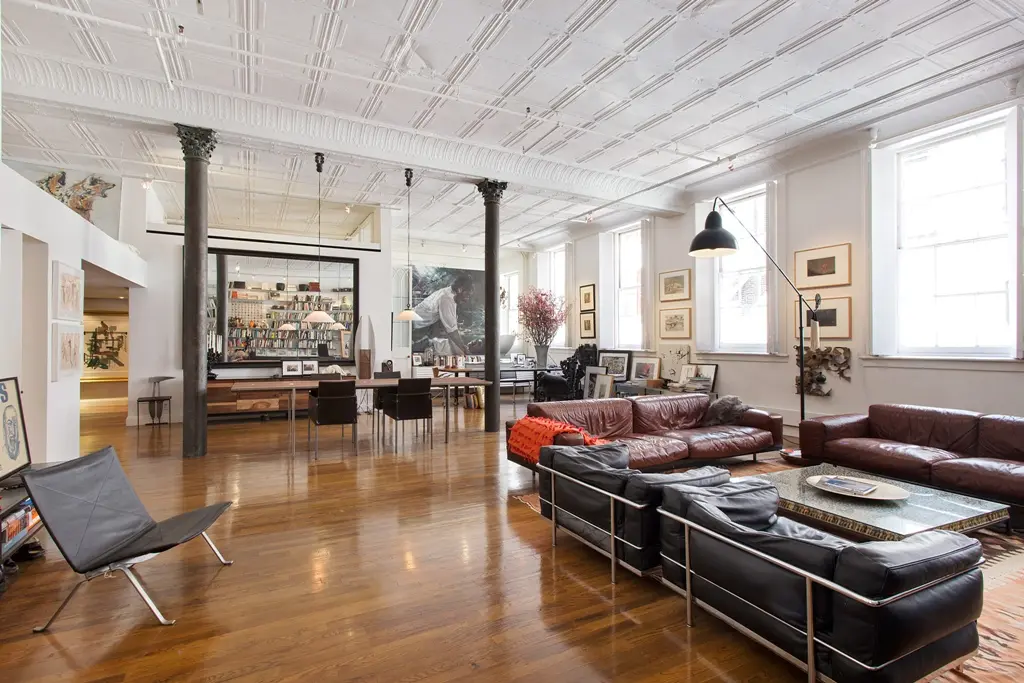
For the uninitiated, the border between South of Houston and the Triangle Below Canal is merely a street crossing. But for the design-literate, crossing Canal Street is a shift in philosophy. It is a movement from the extroverted to the introverted.
SoHo is the quintessential "New York Movie Set." Its defining feature is the Cast Iron Historic District. The architecture here is ornate, vertical, and demanding of attention. The windows are massive, originally designed to flood textile factories with sunlight. Today, those windows mostly frame flagship retail stores and the tourists who flock to them.
The Tribeca Aesthetic
If SoHo is the showman, Tribeca is the recluse. The architecture shifts from delicate ironwork to heavy masonry and red brick. These were not textile factories, but warehouses for butter, eggs, and cheese. The floor plates are wider, the ceilings often lower but spanned by massive timber beams.
The "Tribeca Look" has become synonymous with what real estate agents call Stealth Wealth. While SoHo lobbies are often cramped (a byproduct of 19th-century walk-ups), Tribeca offers the luxury of space: private garages, stroller storage, and elevators that open directly into the penthouse.
The Verdict
Designers are increasingly favoring Tribeca for residential projects. The wider cobblestone streets allow for a grittier, more industrial interior palette—think blackened steel, poured concrete, and darker woods. SoHo, restricted by landmark preservation and retail density, has become a place to shop for design, rather than a place to live with it.
← Back to Journal